
Different tricks to Steal Your Information by using typography / Cybersecurity insights
One of the most effective techniques used by scammers and hackers today does not rely on complex malware or advanced exploits. Instead, it exploits human attention and trust. By creating links that look almost identical to legitimate websites, attackers trick users into giving away sensitive information without realizing it.
This tactic is commonly known as typosquatting or URL spoofing. Attackers register domains that closely resemble trusted brands by adding an extra letter, swapping characters, or changing the domain ending, such as using “.net” instead of “.com”. At first glance, these differences are almost impossible to notice. Once a user clicks such a link, they are redirected to a fake website designed to look exactly like the original.
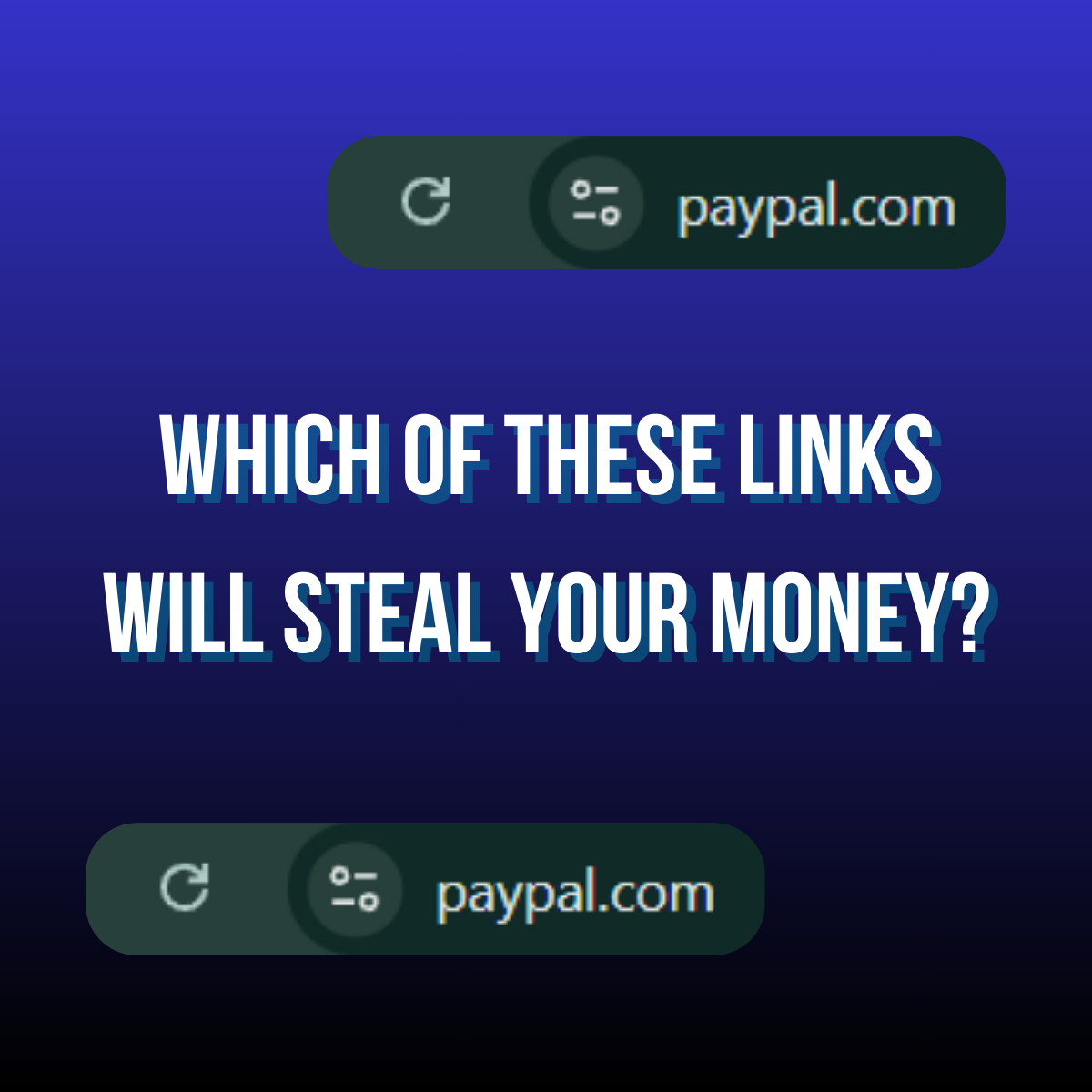
An even more dangerous variation of this technique involves the use of Cyrillic letters, known as a homograph attack. Certain Cyrillic characters look identical to Latin ones, despite being technically different symbols. For example, the Cyrillic letter “а” is visually indistinguishable from the Latin “a”. This allows attackers to create domains that appear legitimate even when carefully inspected. A link like paypаl.com may look authentic, but one letter is Cyrillic, not Latin, and leads to a malicious site.
Once on these fake pages, users are often prompted to log in, verify their account, reset a password, or download a file. Any information entered, including emails, passwords, banking details, or corporate credentials, is immediately captured. In some cases, these sites also distribute malicious files or silently collect device and browser data for future attacks.
Similar-link attacks are widely used in phishing emails, SMS messages, social media posts, advertisements, and even sponsored search results. Attackers frequently create a sense of urgency by warning about security issues, unpaid invoices, or limited-time offers. Under pressure, users are far less likely to carefully examine a link before clicking.
Protection starts with awareness and simple security habits. Carefully checking full domain names, being alert to small spelling changes, and avoiding links from unexpected messages significantly reduces risk. Password managers provide strong protection by refusing to autofill credentials on fake domains, while multi-factor authentication adds an extra layer of defense even if credentials are compromised.
In a digital environment where trust is constantly being exploited, awareness remains one of the strongest security tools. These attacks show that cybersecurity threats do not always depend on sophisticated technology. Cybersecurity is not only about technology; it is also about informed and attentive users who stay vigilant and recheck their sources.