
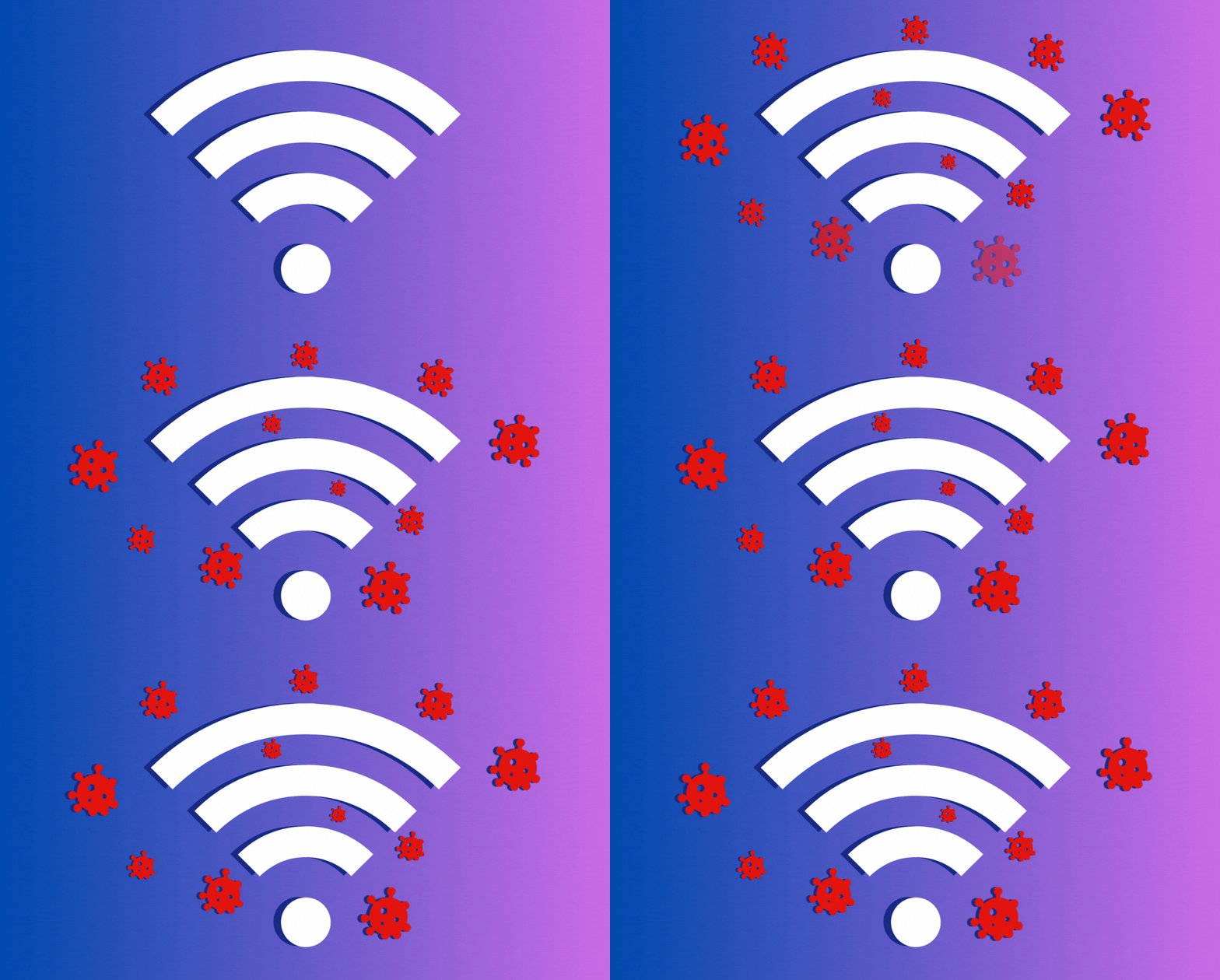
We all rely on Wi-Fi every day. At home, in cafés, at airports, in offices, and even on public transport, wireless networks have become an invisible foundation of modern life. They provide speed, convenience, and constant connectivity. However, behind this convenience lies a reality that many people underestimate: Wi-Fi can be one of the most vulnerable entry points into your digital world if it is not properly secured.
The Invisible Threat
Every Wi-Fi network operates through radio waves that broadcast data through the air. Unlike wired connections, these signals do not stop at walls or doors. Anyone within range can potentially intercept them. When a network uses weak passwords, outdated encryption standards, or poorly configured routers, attackers can exploit these weaknesses to monitor traffic, steal sensitive information, or inject malicious code into connected devices. In many cases, users are unaware that anything is wrong until real damage has already been done.
Public Wi-Fi: A Cyber Playground
Public Wi-Fi networks represent an even greater risk. Free Wi-Fi at cafés, airports, hotels, and shopping centers often lacks strong security controls. Cybercriminals frequently take advantage of this by setting up rogue access points that mimic legitimate network names. Unsuspecting users connect, believing the network is safe, while attackers quietly collect login credentials, financial information, emails, and private messages. These attacks often happen silently, without visible warning signs.
Home Networks Aren’t Always Safe Either
Home Wi-Fi networks are not immune either. Many people leave default router settings unchanged, use simple passwords, or ignore firmware updates. This creates an easy opportunity for attackers to gain access to the network and all connected devices. Once inside, they can move laterally, targeting laptops, smartphones, smart TVs, security cameras, and other IoT devices. A single compromised router can quickly turn into a full household security breach.
Simple Steps to Protect Your Wi-Fi
The good news is that most Wi-Fi risks are preventable with basic awareness and simple security practices. Using strong, unique passwords instead of defaults significantly reduces the risk of unauthorized access. Keeping router firmware up to date ensures known vulnerabilities are patched. Choosing modern encryption standards such as WPA3 adds another critical layer of protection. When using public Wi-Fi, avoiding open networks or using a trusted VPN can help protect sensitive data. Separating IoT devices onto a different network can also limit potential damage if one device is compromised.
Some tips for protecting yourself step by step:
- Strong, unique passwords: Avoid default or simple passwords like “12345678” or “password.”
- Update firmware regularly: Router updates often include critical security patches.
- Use WPA3 encryption: It’s the strongest Wi-Fi security standard available.
- Avoid open networks: Use a VPN if you must connect to public Wi-Fi.
- Segment your network: Keep IoT devices on a separate network to reduce risk.
The Takeaway
Wi-Fi is an essential part of modern life, but convenience should never come at the cost of security. Every message, login, and transaction depends on the network you trust. By taking a few proactive steps, you can dramatically reduce your exposure to cyber threats. The invisible waves carrying your data do not have to be an open door for hackers – if you take control of how they are protected.
#WiFiSecurity #CyberAwareness #InfoSec #NetworkSafety #DigitalSafety #TechTips #CyberDefense #DataProtection #SmartHomeSecurity